
Is Augmented Reality Changing the Face of Marketing?
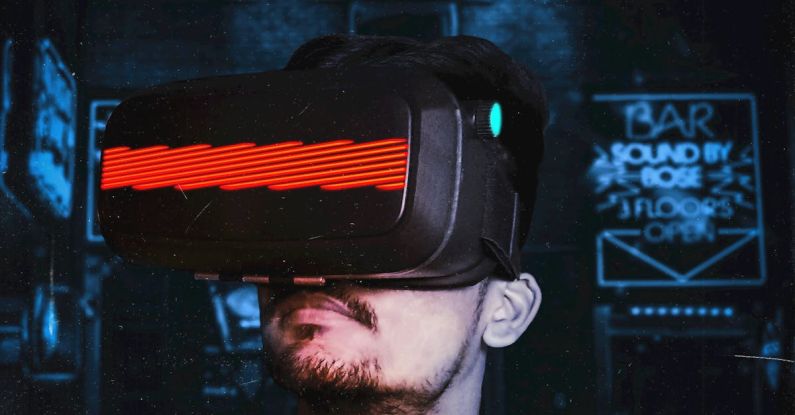
Augmented reality (AR) has rapidly emerged as a disruptive technology that is revolutionizing various industries, including marketing. By seamlessly blending the physical world with digital elements, AR is changing the way brands engage with consumers and create immersive experiences. From interactive product demonstrations to virtual try-on experiences, AR is reshaping the marketing landscape and opening up new possibilities for businesses to connect with their target audiences in innovative ways.
Enhancing Consumer Engagement
One of the key ways in which augmented reality is changing the face of marketing is by enhancing consumer engagement. Traditional marketing strategies often rely on passive forms of advertising, such as print ads or TV commercials, which can struggle to capture the attention of today’s tech-savvy consumers. AR, on the other hand, provides an interactive and personalized experience that allows consumers to engage with brands in a more meaningful way.
Through AR-powered apps and experiences, brands can create immersive storytelling experiences that captivate and entertain consumers. For example, beauty brands can offer virtual makeup try-on experiences that allow customers to see how products will look on their own faces before making a purchase. Similarly, furniture retailers can use AR to enable customers to visualize how a piece of furniture will look in their homes, helping to drive purchase decisions and reduce returns.
Creating Memorable Experiences
In today’s crowded marketplace, brands are constantly vying for consumers’ attention. AR offers a unique opportunity for brands to stand out from the competition by creating memorable and shareable experiences. Whether it’s through interactive games, AR filters on social media, or location-based AR experiences, brands can leverage AR technology to capture the imagination of consumers and leave a lasting impression.
By tapping into the power of AR, brands can create experiences that are not only engaging but also highly shareable. When consumers have a positive and memorable experience with a brand through AR, they are more likely to share it with their friends and followers on social media, amplifying the reach and impact of the marketing campaign.
Driving Sales and Conversions
Ultimately, the goal of any marketing campaign is to drive sales and conversions. Augmented reality has proven to be a powerful tool for increasing conversion rates and driving purchase decisions. By providing consumers with a more immersive and interactive shopping experience, brands can reduce barriers to purchase and increase customer confidence in their buying decisions.
For example, AR-powered virtual try-on experiences have been shown to increase conversion rates for beauty and fashion brands by allowing customers to see how products will look on them before making a purchase. Similarly, AR-enabled product visualizations can help consumers make more informed buying decisions by providing them with a realistic preview of the product in their own environment.
Looking to the Future
As augmented reality continues to evolve and become more accessible to consumers, the possibilities for its use in marketing are virtually limitless. From personalized shopping experiences to location-based AR campaigns, brands have a wealth of opportunities to leverage AR technology to engage with consumers in new and innovative ways.
As AR technology becomes more sophisticated and affordable, we can expect to see even greater adoption of AR in marketing strategies across industries. Brands that embrace AR early on and incorporate it into their marketing efforts stand to gain a competitive advantage and build deeper connections with their target audiences.
In conclusion, augmented reality is indeed changing the face of marketing by enhancing consumer engagement, creating memorable experiences, and driving sales and conversions. As brands continue to explore the creative potential of AR technology, we can expect to see even more innovative and impactful AR marketing campaigns in the future. The era of traditional marketing is giving way to a new era of interactive and immersive experiences powered by augmented reality.


